
Investing in Automatic Fuel Dispensers: A Comprehensive Guide to Make Informed Decisions
Investing in Automatic Fuel Dispensers: What You Need to Know
Table of Contents
1. Introduction to Automatic Fuel Dispensers
2. Benefits of Automatic Fuel Dispensers
3. Types of Automatic Fuel Dispensers
4. Key Features to Look for in Automatic Fuel Dispensers
5. Investment Considerations for Fuel Dispensers
6. Maintenance and Longevity of Fuel Dispensers
7. Case Studi
Investing in Automatic Fuel Dispensers: What You Need to Know
Table of Contents
- 1. Introduction to Automatic Fuel Dispensers
- 2. Benefits of Automatic Fuel Dispensers
- 3. Types of Automatic Fuel Dispensers
- 4. Key Features to Look for in Automatic Fuel Dispensers
- 5. Investment Considerations for Fuel Dispensers
- 6. Maintenance and Longevity of Fuel Dispensers
- 7. Case Studies: Successful Implementations
- 8. Future Trends in Fuel Dispensing Technology
- 9. Frequently Asked Questions
- 10. Conclusion
1. Introduction to Automatic Fuel Dispensers
In the evolving landscape of the fuel industry, **automatic fuel dispensers** have established themselves as a vital component in modern fueling stations. These advanced machines streamline the dispensing process, enhance customer experience, and improve operational efficiency. As businesses aim to remain competitive, understanding the intricacies of investing in **automatic fuel dispensers** becomes essential.
In this guide, we delve into the various aspects of **automatic fuel dispensers**, providing insights that will help you make informed decisions about investing in this technology.
2. Benefits of Automatic Fuel Dispensers
Investing in **automatic fuel dispensers** presents numerous advantages for fuel retailers and consumers alike. Here are some key benefits:
Enhanced Efficiency
Automatic fuel dispensers significantly reduce wait times at gas stations by enabling customers to dispense fuel independently. This self-service model allows for quicker transactions and improved customer satisfaction.
Increased Accuracy
These dispensers are designed to provide precise measurements, ensuring that customers receive the exact amount of fuel they pay for. This accuracy minimizes disputes and enhances trust between businesses and customers.
Reduced Labor Costs
By automating the fuel dispensing process, businesses can lower their staffing needs, allowing employees to focus on other essential tasks, thereby optimizing labor costs.
Improved Safety Features
Modern automatic dispensers are equipped with advanced safety features, such as automatic shut-off mechanisms and leak detection sensors, which enhance operational safety for both staff and customers.
Real-time Data Tracking
These systems often integrate with point-of-sale systems, providing real-time data tracking on fuel sales, inventory levels, and customer transactions. This data is invaluable for making informed business decisions.
3. Types of Automatic Fuel Dispensers
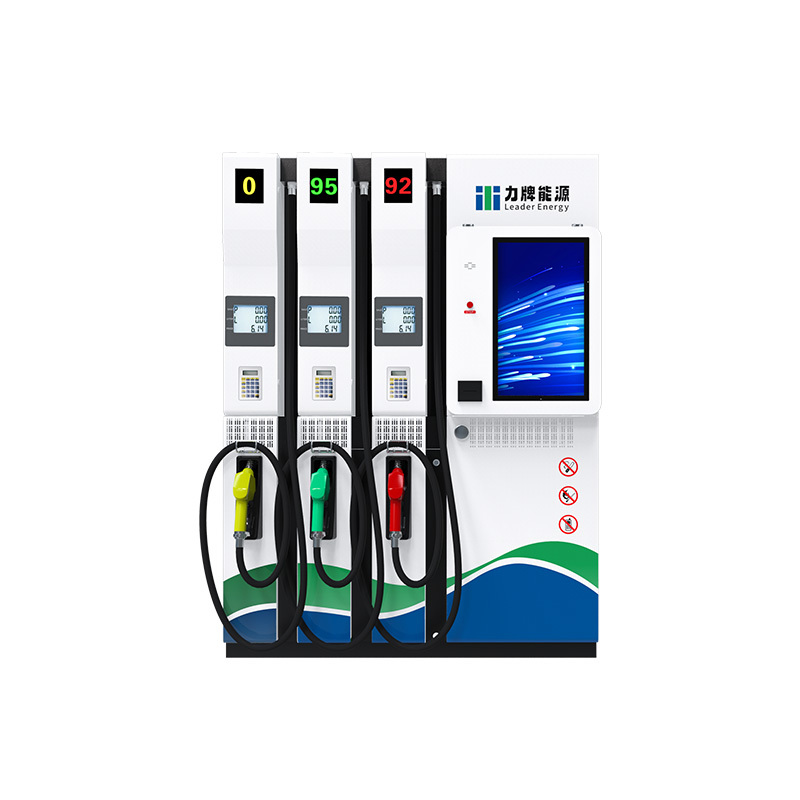
Understanding the different types of **automatic fuel dispensers** available in the market can help you choose the right one for your specific needs.
Traditional Automatic Fuel Dispensers
These are the standard dispensers found at most gas stations. They require users to insert payment and select the type of fuel before dispensing begins.
Smart Fuel Dispensers
Smart dispensers incorporate advanced technology, such as touchscreen interfaces and app integration, enabling a more user-friendly experience. They may also offer loyalty programs and personalized fuel options.
Mobile Payment Dispensers
With the rise of digital wallets, many stations now offer dispensers that accept mobile payments, making transactions faster and more convenient for tech-savvy customers.
Self-Service Stations
These stations offer complete automation, allowing customers to pay for fuel with a credit card at the pump without any interaction with staff, further enhancing efficiency.
4. Key Features to Look for in Automatic Fuel Dispensers
When investing in **automatic fuel dispensers**, it's crucial to consider several key features that enhance functionality and customer satisfaction.
Payment Options
Look for dispensers that offer various payment options, including credit/debit cards, mobile payments, and loyalty card integrations. This flexibility appeals to a broader customer base.
Durability and Weather Resistance
Ensure that the dispensers are built to withstand harsh weather conditions, as they will often be exposed to the elements. High-quality materials can extend the lifespan of your investment.
Ease of Use
User-friendly interfaces, such as touchscreen displays, can significantly improve the customer experience. Consider dispensers with clear instructions and intuitive navigation.
Remote Monitoring Capabilities
Dispensers with remote monitoring features allow you to track performance, troubleshoot issues, and receive alerts in real time, which can help maintain operational efficiency.
Compliance with Regulations
Ensure that the dispensers comply with local and national regulations regarding fuel dispensing. This compliance is crucial for avoiding legal issues and ensuring safe operations.
5. Investment Considerations for Fuel Dispensers
Investing in **automatic fuel dispensers** involves several financial considerations. Understanding these factors can help you make a more informed decision.
Initial Cost vs. Long-Term Savings
While the initial investment for advanced dispensers may be higher, the **long-term savings** in labor costs, increased sales, and reduced errors can outweigh these costs. Conduct a thorough cost-benefit analysis to evaluate potential returns on investment.
Financing Options
Explore various financing options available for purchasing fuel dispensers. Leasing may be a viable alternative for businesses looking to minimize upfront costs while maintaining access to the latest technology.
Installation and Maintenance Costs
Factor in the costs of installation and regular maintenance. Partnering with reputable suppliers can ensure you receive quality service and support throughout the lifespan of your equipment.
Market Trends and Demand
Research current market trends and consumer demand in your area. An understanding of local dynamics will help you determine the right time to invest and what type of dispensers will be most beneficial.
6. Maintenance and Longevity of Fuel Dispensers
Proper maintenance is essential for maximizing the lifespan and efficiency of **automatic fuel dispensers**.
Regular Inspections
Conduct regular inspections to identify potential issues early. This proactive approach minimizes downtime and ensures that dispensers are functioning correctly.
Cleaning and Upkeep
Regular cleaning of the dispensers not only maintains their appearance but also prevents malfunctions caused by dirt and debris.
Software Updates
Keep the software of your dispensers updated. Manufacturers often release updates that enhance security and improve functionality, so staying current is vital.
Training Staff
Invest in training your staff on the proper operation and troubleshooting of dispensers. Knowledgeable employees can address minor issues before they escalate, contributing to smoother operations.
7. Case Studies: Successful Implementations
Real-world examples can provide valuable insights into the impact of investing in **automatic fuel dispensers**.
Case Study 1: Urban Fuel Station
A busy urban fuel station invested in smart fuel dispensers, which included mobile payment options and loyalty programs. As a result, the station saw a 30% increase in customer satisfaction and a 25% increase in sales within six months.
Case Study 2: Rural Service Station
A rural service station upgraded to automatic dispensers that supported remote monitoring features. This change reduced operational downtime and allowed the owner to manage inventory more effectively, resulting in improved service reliability and customer trust.
8. Future Trends in Fuel Dispensing Technology
The technology behind **automatic fuel dispensers** continues to evolve rapidly. Here are some key trends to watch:
Integration with IoT
The Internet of Things (IoT) is increasingly being integrated into fuel dispensing technology. This connectivity allows for smart inventory management and real-time monitoring of fuel quality.
Contactless and Biometric Payments
The future may see more contactless and biometric payment options, enhancing convenience and security for users.
Alternative Fuel Dispensing
As the demand for alternative fuel sources grows, we can expect to see dispensers capable of handling various types of fuel, such as electric vehicle charging stations and hydrogen fuel dispensers.
9. Frequently Asked Questions
1. What is the average cost of an automatic fuel dispenser?
The cost of automatic fuel dispensers can range from $10,000 to $50,000, depending on the type, features, and brand.
2. How long do automatic fuel dispensers typically last?
With proper maintenance, automatic fuel dispensers can last anywhere from 10 to 15 years.
3. Are automatic fuel dispensers easy to install?
Installation can vary based on the complexity of the dispenser. Most manufacturers provide professional installation services to ensure proper setup.
4. What maintenance is required for automatic fuel dispensers?
Regular inspections, cleaning, and software updates are essential for maintaining the dispensers' efficiency and longevity.
5. Can I integrate a loyalty program with automatic fuel dispensers?
Many modern dispensers support loyalty program integration, allowing you to offer rewards and incentives to your customers.
10. Conclusion
Investing in **automatic fuel dispensers** is a strategic move for fuel retailers seeking to enhance efficiency, improve customer satisfaction, and streamline operations. By understanding the benefits, types, features, and maintenance requirements, you can make informed decisions that will position your business for success in a competitive market.
As technology continues to evolve, staying informed about the latest trends and innovations will further empower you to maximize your investment in fuel dispensing technology. Making the right choices today can lead to significant rewards in the future, ensuring that your business remains at the forefront of the fuel industry.




Leave Message
Leave your contact information and get a free product quote