
Why Switching to High Flow Fuel Dispensers Can Boost Your Gas Station's Revenue
Why Switching to High Flow Fuel Dispensers Can Boost Your Gas Station's Revenue
Table of Contents
Introduction to High Flow Fuel Dispensers
Understanding High Flow Fuel Dispensers
Benefits of High Flow Fuel Dispensers
Increased Throughput
Improved Customer Satisfaction
Reduced Wait Times
Financial Advantages of High Flow Systems
Lower Operation Costs
Why Switching to High Flow Fuel Dispensers Can Boost Your Gas Station's Revenue
Table of Contents
- Introduction to High Flow Fuel Dispensers
- Understanding High Flow Fuel Dispensers
- Benefits of High Flow Fuel Dispensers
- Financial Advantages of High Flow Systems
- Technological Advancements in Fuel Dispensers
- Installation and Maintenance Considerations
- Customer Response and Market Trends
- Conclusion
- FAQs
Introduction to High Flow Fuel Dispensers
In today's competitive fuel market, gas station owners are constantly seeking innovative ways to enhance their business operations and improve customer experiences. One significant advancement is the introduction of **high flow fuel dispensers**. These dispensers allow for faster fueling, minimizing the time customers spend at the pump and increasing the overall efficiency of the gas station. Transitioning to high flow dispensers not only optimizes operational performance but also provides a pathway to increased revenue, which is critical for long-term sustainability in the fuel retail industry.
Understanding High Flow Fuel Dispensers
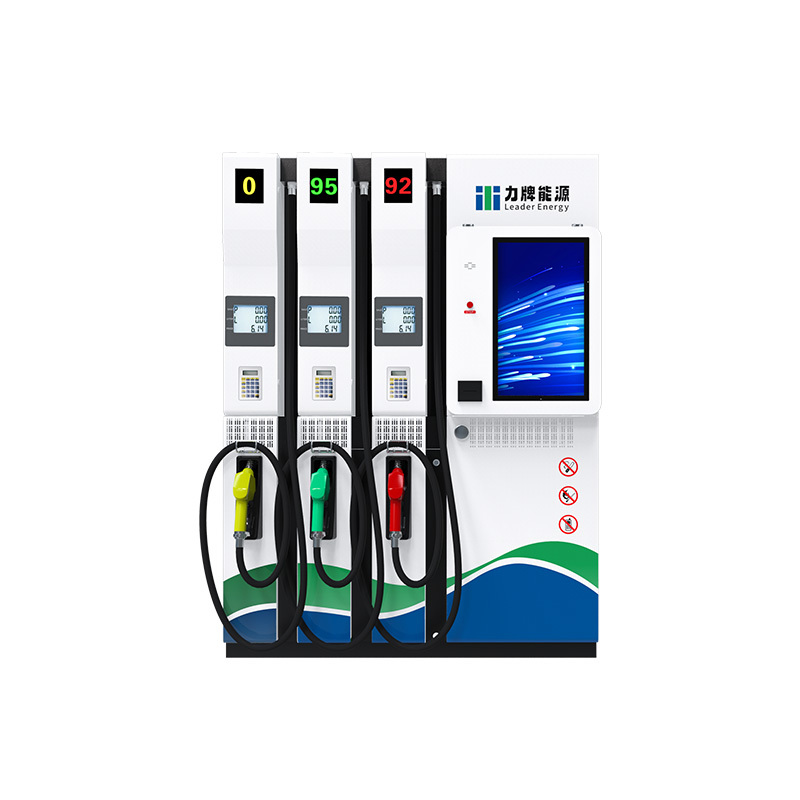
**High flow fuel dispensers** are designed to deliver fuel at a higher rate than standard dispensers, typically providing 20 to 50 gallons per minute (GPM), as opposed to the standard 10 to 15 GPM. This technology is particularly beneficial for commercial fueling operations and high-demand gas stations.
The design of high flow dispensers often incorporates advanced metering systems and improved nozzle technology, allowing for precise fuel dispensing and minimizing spills. These innovations not only contribute to operational efficiency but also enhance safety measures during the fueling process.
Benefits of High Flow Fuel Dispensers
Investing in high flow dispensers can yield substantial benefits for gas station operators. Below, we delve into the key advantages that make this upgrade a smart business decision.
Increased Throughput
High flow dispensers facilitate **increased throughput**, enabling gas stations to serve more customers in less time. This efficiency is particularly crucial during peak hours, as it helps manage customer volume effectively. By reducing the time each customer spends at the pump, stations can see a significant uptick in the number of transactions per hour.
Furthermore, businesses that cater to fleet customers can particularly benefit from high flow dispensers, as these customers often require faster fueling to maintain operational efficiency.
Improved Customer Satisfaction
Customer satisfaction is paramount in the fuel retail industry. High flow dispensers not only speed up the fueling process but also enhance the overall customer experience. When drivers can fill their tanks quickly, they are more likely to return to your station for future fueling needs. The convenience of rapid service creates a positive impression and fosters customer loyalty.
Additionally, these dispensers can be equipped with user-friendly interfaces, allowing customers to select fuel types and complete transactions seamlessly, further improving the customer experience.
Reduced Wait Times
With high flow dispensers, **reduced wait times** become a reality. Long lines at the pump are a common frustration for customers. By transitioning to high flow dispensers, gas stations can effectively reduce congestion, leading to a smoother and more pleasant fueling experience. This change can be particularly beneficial in urban areas where traffic is often a concern.
Moreover, swift service can enhance the overall reputation of your gas station, as customers will associate speedy service with quality and reliability.
Financial Advantages of High Flow Systems
The financial implications of switching to high flow dispensers can be significant. Let's explore how these systems can enhance the profitability of your gas station.
Lower Operation Costs
High flow dispensers can lead to **lower operating costs** over time. By increasing the number of customers served in a shorter timeframe, gas stations can maximize fuel sales and reduce labor costs associated with managing long lines.
Additionally, advanced technology in high flow dispensers often leads to improved accuracy in fuel delivery, minimizing losses due to spillage or over-dispensing. These factors contribute to an overall reduction in operational expenditures.
Higher Profit Margins
Higher sales volumes typically result in **higher profit margins**. When customers can refuel quickly, they are more likely to make additional purchases, such as convenience store items, snacks, or beverages. This increase in ancillary sales further contributes to the station's revenue growth.
The investment in high flow dispensers can thus lead to a more profitable business model, allowing gas station owners to reap the benefits of enhanced sales performance.
Technological Advancements in Fuel Dispensers
The evolution of fuel dispensing technology plays a crucial role in the efficiency of gas stations. High flow dispensers incorporate features such as:
- **Smart Metering Systems**: These systems ensure that the amount of fuel dispensed is accurately measured, minimizing discrepancies and increasing customer trust.
- **Enhanced Safety Features**: Modern high flow dispensers are designed with safety in mind, incorporating fail-safe mechanisms to prevent spills and accidents.
- **Remote Monitoring Capabilities**: Many high flow dispensers come equipped with technology that allows gas station owners to monitor performance and fuel levels remotely, enabling proactive management and maintenance.
Investing in high flow technology not only enhances operational efficiency but also positions your station at the forefront of industry standards, attracting more customers.
Installation and Maintenance Considerations
Switching to high flow dispensers involves a few critical steps that gas station owners should consider to ensure a smooth transition:
1. **Assessing Current Infrastructure**: Evaluate your existing fueling infrastructure to determine compatibility with high flow dispensers.
2. **Choosing the Right Dispenser**: Not all high flow dispensers are created equal. Selecting a model that fits your specific needs, such as traffic patterns and fuel types offered, is essential.
3. **Professional Installation**: Engaging professional installers can ensure that your new dispensers are set up correctly and integrated with your existing systems.
4. **Regular Maintenance**: To maximize the lifespan and efficiency of high flow dispensers, routine maintenance checks are crucial. This can prevent costly downtime and ensure optimal performance.
By adhering to these installation and maintenance guidelines, gas station owners can fully leverage the benefits of high flow dispensers.
Customer Response and Market Trends
As gas stations adapt to changing consumer preferences, understanding customer response to fuel dispensing technologies becomes essential. Increasing demand for convenience has led many drivers to favor gas stations that offer efficient service. High flow dispensers cater to this demand, enhancing customer loyalty and driving more traffic to your station.
Market trends indicate a growing emphasis on sustainable practices and rapid service in the fuel retail industry. By adopting high flow dispensers, gas stations not only align with these trends but also position themselves as industry leaders committed to providing superior customer experiences.
Conclusion
Switching to high flow fuel dispensers presents gas station operators with a strategic opportunity to boost revenue and enhance customer satisfaction. With benefits ranging from increased throughput to improved safety features, high flow dispensers are a valuable investment for any gas station aiming to thrive in a competitive landscape.
By embracing this technology, gas stations can reduce wait times, lower operational costs, and increase profit margins. Moreover, as customer expectations continue to evolve, staying ahead of the curve with high flow dispensers can ensure that your gas station remains a preferred choice for drivers.
FAQs
1. What is the primary advantage of high flow fuel dispensers?
The primary advantage is increased throughput, allowing gas stations to serve more customers in less time, thereby enhancing revenue potential.
2. How much faster can high flow dispensers refuel vehicles compared to standard dispensers?
High flow dispensers can deliver fuel at rates of 20 to 50 gallons per minute, compared to the standard 10 to 15 gallons per minute.
3. Are high flow dispensers suitable for all types of gas stations?
While high flow dispensers are ideal for high-traffic gas stations and commercial fueling operations, they may not be necessary for low-traffic locations.
4. What type of maintenance do high flow dispensers require?
Regular maintenance includes routine checks for accurate fuel metering, safety inspections, and general servicing to ensure optimal performance.
5. Can high flow dispensers lead to higher ancillary sales?
Yes, faster service can encourage customers to make additional purchases, such as food and beverages, increasing overall sales and profit margins.
By upgrading to high flow fuel dispensers, gas station owners can significantly enhance their operational efficiency, customer satisfaction, and ultimately, their revenue.




Leave Message
Leave your contact information and get a free product quote